Distributor support: [email protected] Embroidery Machines | Training | Service Parts
Production readiness story

Barudan Applications for embroidery programs that must repeat cleanly

Application readiness explains how an embroidery team moves from artwork and sample approval to a production method that can be repeated without rebuilding the job from memory.

Start an Application Review
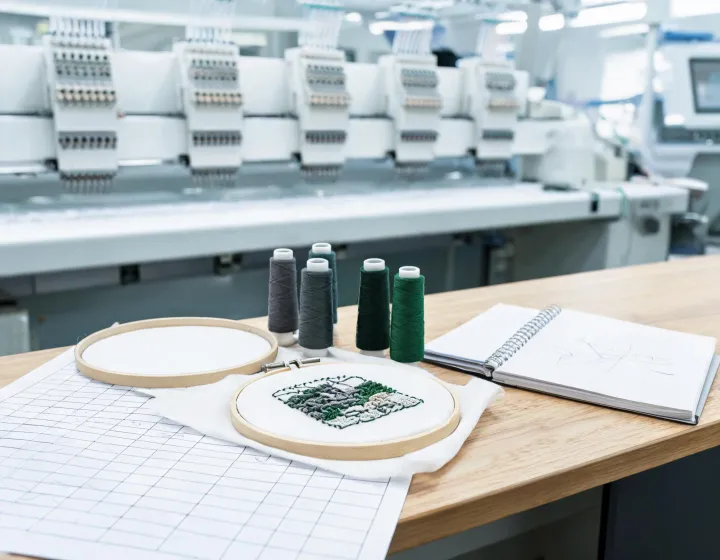
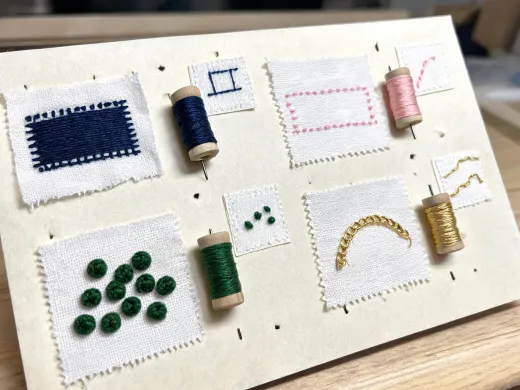
Barudan application planning table with embroidery samples
From sample to run

Application success begins before the first full run

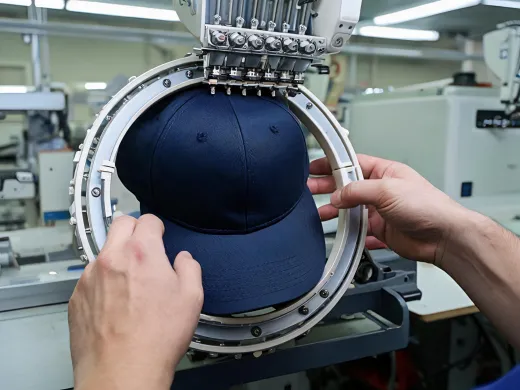
A commercial embroidery order can fail quietly before the machine ever reaches production speed. The file may look acceptable on screen but contain density that pulls a knit shirt out of shape. A cap design may pass visually on a flat proof while the front panel fights registration during real framing. A repeat uniform program may depend on an operator remembering settings that were never written down. Barudan application planning is meant to surface those risks early, while the team can still adjust the file, backing, hoop, needle, or operator instructions.

The promise that matters most to an embroidery shop is continuity. A buyer wants a machine path that can survive staff changes, seasonal rushes, mixed garment types, and customer reorders. That continuity comes from documented sample standards, clear accessory choices, and a common language between production managers and distributors.
Pre-scale checklist

Questions to answer before scaling an embroidery job

The checks below are written as production prompts rather than broad advice. They help a team prepare a distributor conversation with the details that actually shape the machine and accessory recommendation.

List flats, caps, sleeves, bags, towels, or mixed goods separately. Each group can change hoop choice, operator movement, backing, and the value of additional heads.

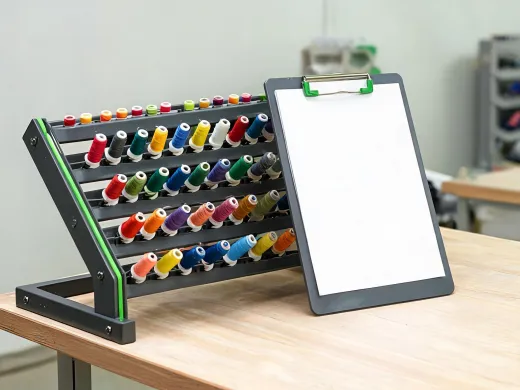
Capture needle, backing, hoop, thread, trim, placement, and approval notes. Reorders become easier when the sample is linked to a working production method.

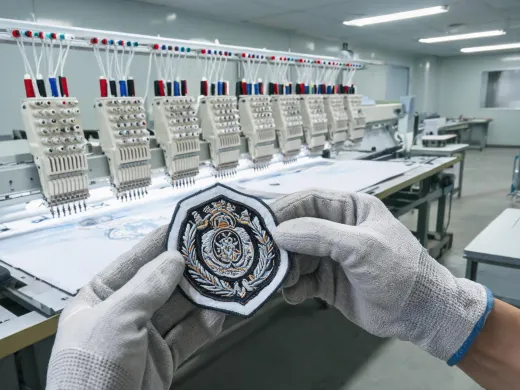
Review thread path setup, cap framing, tension observation, first-article inspection, and stop-response habits. The machine can only repeat what the room knows how to repeat.
Record your application

Build a repeatable embroidery application record

Use the form to describe your goods, stitch complexity, head count expectations, and the point where current production loses time. The response can focus on the application path instead of a generic equipment list.