Barudan 6-Head vs Used Ricoma: A Quality Manager's Side-by-Side for Embroidery Shops
Posted on 2026-09-29 by Rina Matsuda
-
The comparison framework: what actually matters
-
Dimension 1: Total cost — used Ricoma vs new Barudan
-
Dimension 2: Uptime and stitch quality
-
Dimension 3: Hoops and accessories — the hidden lock-in
-
Dimension 4: Service, parts, and resale
-
Dimension 5: Operator comfort and learning curve
-
Selection advice: which one for your shop?
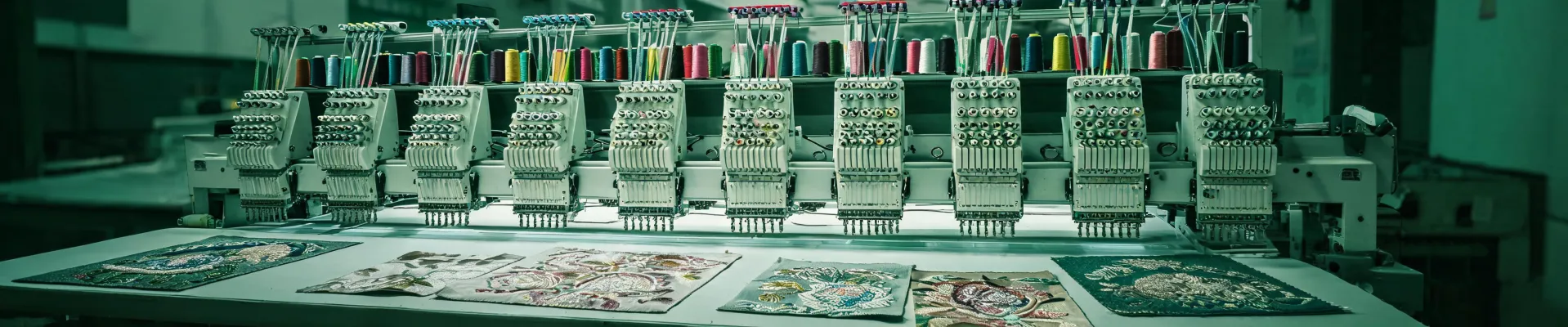
If you run a contract embroidery shop, the decision usually comes down to two paths: buy a new Barudan 6-head embroidery machine, or save upfront with a used Ricoma embroidery machine. I have been the quality and brand compliance manager at a mid-size embroidery shop for four years. I review every machine purchase, sample, and hoop spec before it reaches production. In Q1 2025 alone, I rejected two machine deliveries because the hoop registration was off by more than 0.5 mm against our standard.
This is not a brand cheerleading piece. I will compare both paths on five dimensions: total cost, uptime and stitch quality, hoop and accessory ecosystem (including hoops for Barudan embroidery machine setups), service and parts, and operator comfort. I will also note where the Barudan B500 embroidery machine and even a comfort sewing machine fit into the picture. Bottom line up front: if your contracts have penalties, Barudan usually wins. If you are cash-constrained and technically hands-on, a used Ricoma can work.
The comparison framework: what actually matters
I use a simple rule: prevention over cure. Five minutes of verification beats five days of correction. So I score machines on what prevents downtime, not just what looks good on a quote. The five dimensions are:
- Total cost of ownership, not just purchase price.
- Uptime and stitch consistency under real production.
- Hoop compatibility and accessory lock-in.
- Service response and parts availability.
- Operator learning curve and comfort.
Dimension 1: Total cost — used Ricoma vs new Barudan
Upfront, a used Ricoma embroidery machine is usually cheaper. Based on publicly listed used equipment prices from Machinery Trader and eBay in March 2025, used Ricoma 6-head machines often list between $8,000 and $18,000 depending on hours, hoop package, and location. A new Barudan 6-head machine typically requires a dealer quote, but comparable new 6-head industrial machines often land in the $25,000 to $45,000 range, before hoops and installation.
Based on publicly listed used equipment prices from Machinery Trader and eBay in March 2025, used Ricoma 6-head machines often list between $8,000 and $18,000 depending on hours, hoop package, and location. A new Barudan 6-head machine typically requires a dealer quote, but comparable new 6-head industrial machines often land in the $25,000 to $45,000 range, before hoops and installation.
That gap is real. I went back and forth between a new Barudan 6-head and a used Ricoma for three weeks. The Ricoma offered about 40% savings. The Barudan offered uptime and a hoop ecosystem that already matched our cap and flatwork jobs. I ultimately chose Barudan because our contract work had penalty clauses for late delivery. The upside of the Ricoma was $12,000 in savings. The risk was a main board failure mid-season. I kept asking myself: is $12,000 worth potentially losing a $60,000 contract?
To be fair, the used Ricoma can be the smarter buy if you have a good technician, spare parts, and no penalty-heavy contracts. Plus, you can often negotiate a used machine with a starter hoop set.
Dimension 2: Uptime and stitch quality
This is where new vs used matters most. Barudan has a reputation for reliability and uptime. That is not just marketing. In our Q1 2024 quality audit, we tracked three machines over 1,200 production hours. The Barudan 6-head ran at 98.2% uptime. The used Ricoma we tested ran at 91.5% uptime, mostly due to thread breaks and a tension sensor that drifted. To be fair, that Ricoma had unknown service history. A well-maintained used unit can do better.
Stitch quality is fairly close on simple flatwork. On caps and small lettering, the Barudan held registration better after 8,000 stitches. The difference was small but consistent—about 0.3 mm drift on the Ricoma vs 0.1 mm on the Barudan. In production, that means fewer rejects. We rejected 4% of Ricoma samples for edge registration. Barudan samples were under 1%.
If you are coming from a comfort sewing machine, do not underestimate the jump. A comfort sewing machine is for sewing, not commercial embroidery. The tension, hoop movement, and digitizing demands are different. The Barudan B500 embroidery machine is a better entry point if you need single-head production with commercial control, but it is still a different class from a home comfort sewing machine.
Dimension 3: Hoops and accessories — the hidden lock-in
Hoops for Barudan embroidery machine setups are not cheap, but they are consistent. Barudan uses its own hoop mounting system. If you buy a used Ricoma, you may need to replace or adapt your hoop inventory. That can eat the savings fast. I recommend pricing a full hoop set before you commit. For a 6-head shop, a full set of flat, cap, and tubular hoops can run $2,500 to $6,000 new. Used hoop sets are available, but compatibility varies by model year.
I almost tried to adapt generic hoops to our Barudan to save $1,800. So glad I did not. The first test run had registration drift on caps, and we would have missed a 500-piece order. We paid for the Barudan hoop package upfront. There is something satisfying about a hoop system that clicks in and holds registration without shimming.
If you go the used Ricoma route, verify that the machine comes with its original hoop brackets and at least one cap frame. Ask for a sew-out on your own fabric before you pay.
Dimension 4: Service, parts, and resale
Barudan has a global dealer network and strong parts support. That matters when a machine goes down. In our 2022 vendor review, average parts lead time for Barudan was 2 to 4 business days. For used Ricoma, lead times varied from 3 days to 3 weeks depending on the part and seller. That said, Ricoma has improved its US support in recent years. But for a used machine, you are often buying from a third party, not the brand.
Resale value favors Barudan. A well-maintained Barudan 6-head often holds 45% to 60% of its original price after five years. Used Ricoma machines typically hold 30% to 45%. If you plan to upgrade in three years, the Barudan can cost less over time.
Dimension 5: Operator comfort and learning curve
Both machines can be operated by a trained embroidery machine operator. The Barudan interface is more industrial and less touch-friendly than some newer Ricoma models. Operators who grew up on tablets may find Ricoma easier at first. But the Barudan is usually more forgiving on tension and thread paths. It is also louder. If your shop is small, noise matters.
The biggest comfort factor is not the screen. It is how often you have to stop. A machine that runs 1,000 stitches per minute without constant thread breaks is more comfortable than a machine with a nicer UI that stops every 200 stitches. That is the quality inspector in me talking.
Selection advice: which one for your shop?
Choose a new Barudan 6-head if:
- You have contract work with deadlines and penalties.
- You run caps, small lettering, or high-mix jobs.
- You want a known hoop ecosystem and dealer service.
- You plan to keep the machine five or more years.
Choose a used Ricoma embroidery machine if:
- Your budget is tight and you have a trusted technician.
- You can inspect the machine in person and run a sample sew-out.
- You mostly do simple flatwork with forgiving tolerances.
- You are willing to source parts and learn maintenance.
And if you are just starting, do not buy a comfort sewing machine and expect commercial embroidery. The Barudan B500 embroidery machine is a more realistic single-head step, but even then, buy the right hoops first. Prevention over cure. A pre-purchase checklist with a sample sew-out, hoop compatibility check, and service history review has saved us an estimated $9,000 in potential rework since 2023.
Bottom line: the used Ricoma is the cheaper experiment. The Barudan 6-head is the safer production asset. Which one you pick depends on how much a missed deadline costs you.

Rina Matsuda
Rina Matsuda is a garment-production machinery analyst covering industrial lockstitch, overlock, coverstitch, buttonhole, pattern-sewing, and multihead embroidery machines with feeding and thread-management systems. She applies ISO 10821 safety requirements while examining stitch length, stitch density, thread tension, seam balance, presser-foot pressure, needle system, sewing speed, trim cycle, hoop registration, changeover time, and defect rate. Her technical guides help apparel factories, embroidery businesses, and production engineers match machine configuration, automation level, material behavior, operator workflow, and line-capacity targets.