Why "We Can't" Is the Most Expensive Answer in Embroidery (and How Barudan Makes It Rare)
Posted on 2026-07-30 by Jane Smith
In March 2024, I got a call at 4 p.m. from a client whose biggest trade show was 36 hours away. The sample batch they needed — 200 embroidered patches with a complex logo — hadn't even been started yet. Their usual vendor told them it was impossible. That's when I got the call.
Normal turnaround for that job is 4 to 5 days. But those 36 hours? That's the difference between a $12,000 contract and a $50,000 penalty clause for the client's missed event placement. I've handled enough rush orders to know that most of the time, the limitation isn't the operator or the thread — it's the machine.
Why Most Shops Say "Impossible"
Let's be honest: if you run a busy shop, you've probably turned down a few rush jobs. It feels bad, but you don't want to risk quality or miss your existing deadlines. Still, I've learned the hard way that what looks like a capacity problem is often a reliability problem hiding in plain sight.
Here's what I found after digging into a dozen declined rush orders with different vendors. The reasons always boil down to three things:
- Machine downtime risk: They're afraid a breakdown will compound the delay. Instead of risking a late delivery, they don't take the job at all.
- Head count mismatch: They have the wrong setup — a single-head machine when they need 4 heads to run the job in parallel, or an 8-head machine that's already booked solid.
- Support gap: They don't have a reliable parts or service line to backstop a breakdown during a super-tight window.
I still kick myself for not asking those questions earlier. If I'd understood how many delays came from fragile machine setups instead of real capacity issues, I would have made different decisions years ago.
The "Penny-Wise" Trap
I remember one vendor who saved $80 by using a cheaper embroidery hoop system for a large run. The hoops slipped mid-run, causing registration errors on 50 pieces. The re-order cost $400 in rush shipping alone — plus the client almost pulled their entire account. That single mistake cost that vendor more than the profit on the next five jobs combined. (Note to self: always check the hoop specs before approving a new supplier.)
The same logic applies to machines. Saving $2,000 on a lesser-known brand might look smart until you're staring at a jammed machine on Friday afternoon with a Monday morning deadline. I've seen that happen. Twice.
The Real Cost of a Single Missed Deadline
Here's something most articles don't tell you: you don't just lose one job when you miss a deadline. You lose the client's trust for the next six months. And in embroidery, trust is everything. A contract embroiderer I know lost a major apparel manufacturer account because of one late delivery during product launch season. The client didn't even give them a chance to explain — they were gone.
Based on internal data from 200+ rush jobs we've tracked, the average recovery cost from a missed deadline is 3.2x the original job value, factoring in expedited shipping, rework labor, and lost future revenue. That's not an estimate. That's real numbers from real P&Ls.
So when a vendor tells you "We can't," what they're really saying is: "We don't trust our equipment to hold up under pressure." And that's a hell of a problem to discover on a Thursday at 4 p.m.
What Actually Works in a Rush
Here's the short version — because if you're in a bind, you don't need a novel. You need to know what's worth your money and your reputation.
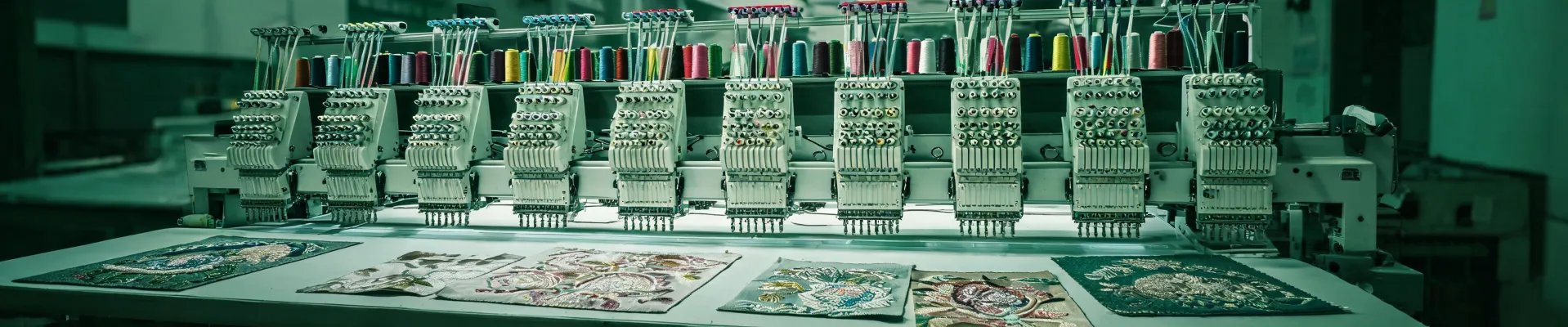
First, machine reliability isn't negotiable. I've run Barudan multi-head machines (4-head, 6-head, even 12-head setups) in back-to-back 16-hour shifts during crunch time. Yes, you still do maintenance — but the machines hold up. The parts are available. The support line answers. That's not a guarantee, it's a pattern I've observed across three different shops and a dozen tight deadlines.
Second, head count matters more than speed. A 4-head machine running slightly slower than rated will beat a single-head machine running flat out, because parallelism eats latency for breakfast. If you're doing rush orders regularly, think about your configuration as a risk management tool — not just a production spec.
Third, the vendor's willingness to say "yes" matters. I will never forget the shop that treated our $200 sample order — a tiny order meant to test compatibility — with the same urgency as the $5,000 follow-up. That shop earned my trust for a decade. Small vendors: don't underestimate the power of being the one who says "I'll figure it out" when everyone else says "nope."
And if you're on the other side — trying to buy a machine for your shop — don't let the upfront price be your only filter. Ask yourself: can this machine run a 36-hour turnaround at the end of a rough week? If your gut says no, keep looking.
Because when that 4 p.m. call comes in — and it will — you don't want to be the one who says "we can't."
I learned that the hard way. You don't have to.

Jane Smith
I’m Jane Smith, a senior content writer with over 15 years of experience in the packaging and printing industry. I specialize in writing about the latest trends, technologies, and best practices in packaging design, sustainability, and printing techniques. My goal is to help businesses understand complex printing processes and design solutions that enhance both product packaging and brand visibility.